
-

Would You Survive Brain Twinning?
Imagine the following case: A few years in the future, neuroscience has advanced considerably to the point where it is able to artificially support conscious activity that is just like the conscious activity in a human brain. After diagnosis of an untreatable illness, a patient, C, has transferred (uploaded) his consciousness to the artificial substrate…
-

(Bio)technologies, human identity, and the Medical Humanities
Introducing two journal special issues and a conference Written by Alberto Giubilini Two special issues of the journals Bioethics and Monash Bioethics Review will be devoted to, respectively, “New (Bio)technology and Human Identity” and “Medical Humanities in the 21st Century” (academic readers, please consider submitting an article). Here I would like to briefly explain why…
-

Do We Need To Measure Well-Being?
Written by Joseph Moore Gus O’Donnell, once the highest official in the British Civil Service and now a member of the House of Lords, has said, on the topic of well-being, ‘If you treasure it, measure it’.[1],[2] I’ve heard this slogan repeated by empirically-minded researchers of happiness, well-being and flourishing. And to anyone with a…
-
Quasi-Refusal and Teens
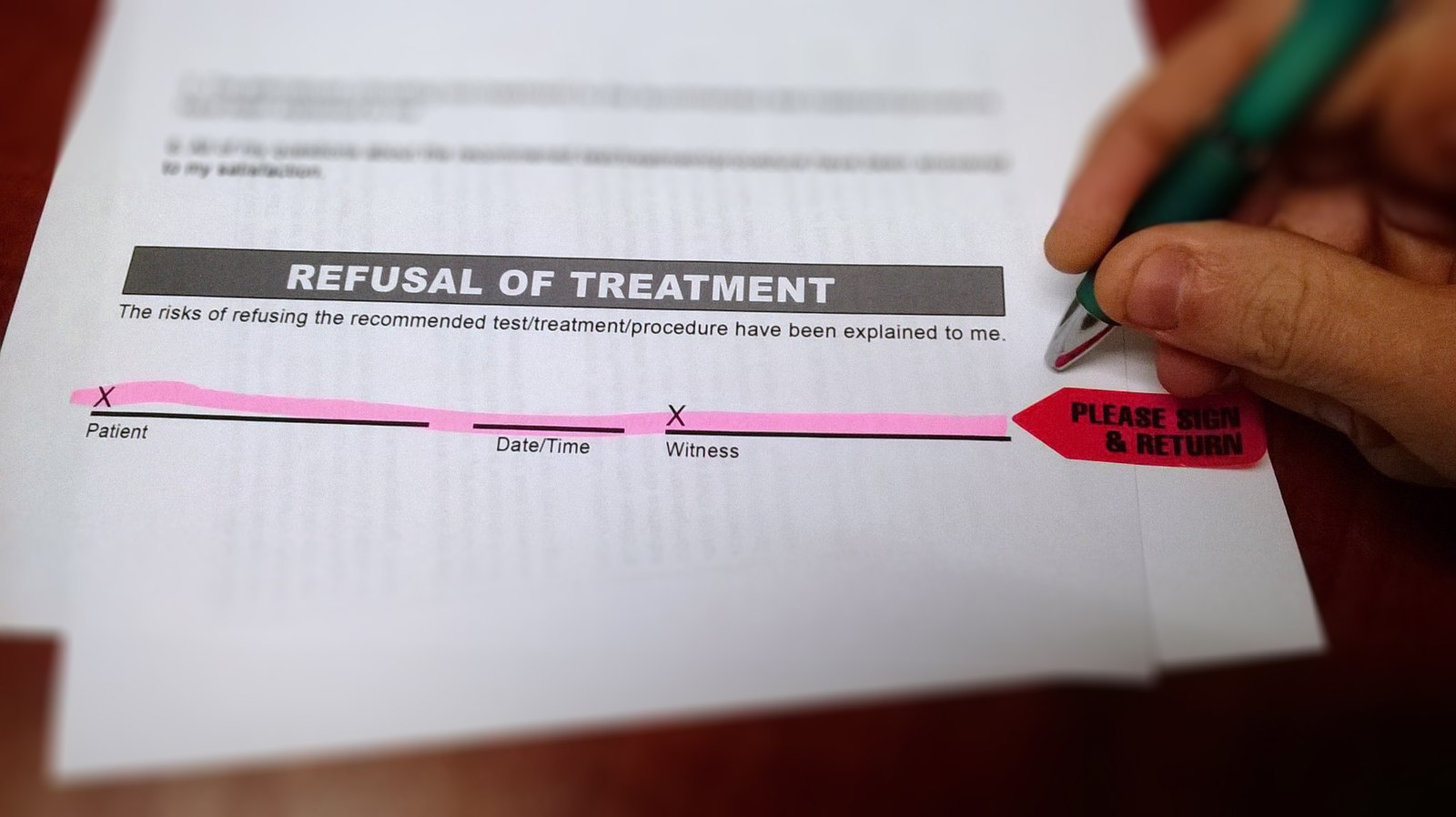
by Dominic Wilkinson In an interesting legal case earlier this year, the court held an emergency hearing about the medical care of a 16 year old, recently diagnosed with acute leukaemia. The hearing, conducted remotely in the middle of the night, was to decide whether she should have medical treatment imposed against her wishes. Should an “intelligent…
-

Truthful Misinformation
written by Neil Levy and Keith Raymond Harris There’s a lot of debate over the harms of misinformation today: whether it is more prevalent now than in the past, how often it misleads people, whether people act on misleading misinformation, and on whether the costs of content moderation or algorithmic depriorisation mightn’t be higher than…
-

Social Media Platforms as Digital Slot Machines
In a recent paper I published with my colleagues Lavinia Marin (TU Delft) and Constantin Vica (University of Bucharest), titled “Digital Slot Machines: Social Media Platforms as Attentional Scaffolds” we take a step back from AI and return to an older problem in digital ethics, that despite its urgency, is often overlooked: the impact of…
-

Oxford Uehiro Prize in Practical Ethics: The Moral Importance of Low Welfare Species
This essay was the winner of the Graduate category of the 10th National Oxford Uehiro Prize in Practical Ethics 2024. Written by Jakob Lohmar. Many people believe that we sometimes ought to produce one larger benefit rather than any number of smaller benefits. For example, many believe that in a choice between saving a human…
-
Event Summary: Thomas Hurka’s 2023 Uehiro Lectures
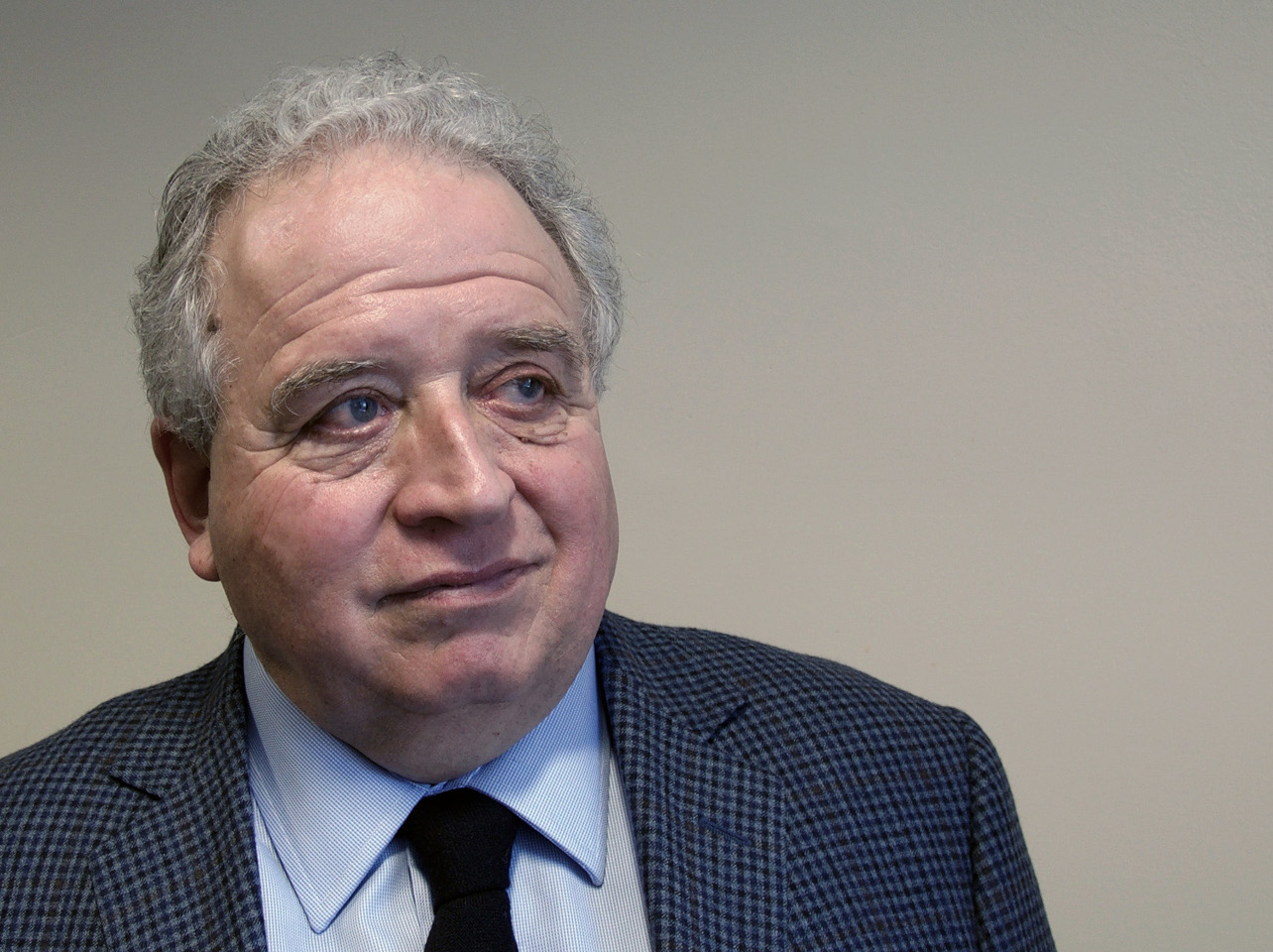
Written by Joseph Moore Last week, 4-8 March 2024, Professor Thomas Hurka, the Chancellor Henry N. R. Jackman Distinguished Professor of Philosophical Studies at the University of Toronto, delivered the 2023 Annual Uehiro Lectures in Practical Ethics, entitled ‘Knowledge and Achievement: Their Value, Nature, and Public Policy Role’. The lecture series was rescheduled from the…
-

Oxford Uehiro Prize in Practical Ethics: Feminist in the Streets, Sadomasochist in the Sheets: Are You Morally Aligning Yourself With Women’s Subordination if You Engage in Consensually Inegalitarian Sexual Relationships?
This article was the runner up in the undergraduate category of the 10th National Oxford Uehiro Prize in Practical Ethics. Written by Ayesha Chakravarti. I. Introduction Most feminists argue that “The personal is the political.” Is this true of people’s sex lives? In this essay, I will discuss the implications of having consensually inegalitarian sexual…
-
National Oxford Uehiro Prize in Practical Ethics: When Eating Meat is OK: A Defence of Benign Carnivorism
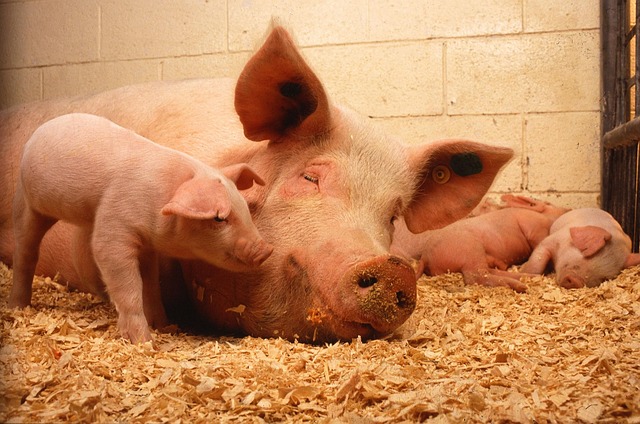
This article received an Honourable Mention in the undergraduate category of the 10th National Oxford Uehiro Prize in Practical Ethics. Written by David Logan. Benign Carnivorism (BC) is a practice where a farmer (i) creates animals with pleasurable lives worth living, (ii) painlessly kills them after a significant proportion of their natural lifespan, and (iii)…