
-
A reply to ‘Facebook: You are your ‘Likes”
Yesterday, Charles Foster discussed the recent study showing that Facebook ‘Likes’ can be plugged into an algorithm to predict things about people – things about their demographics, their habits and their personalities – that they didn’t explicitly disclose. Charles argued that, even though the individual ‘Likes’ were voluntarily published, to use an algorithm to generate…
-
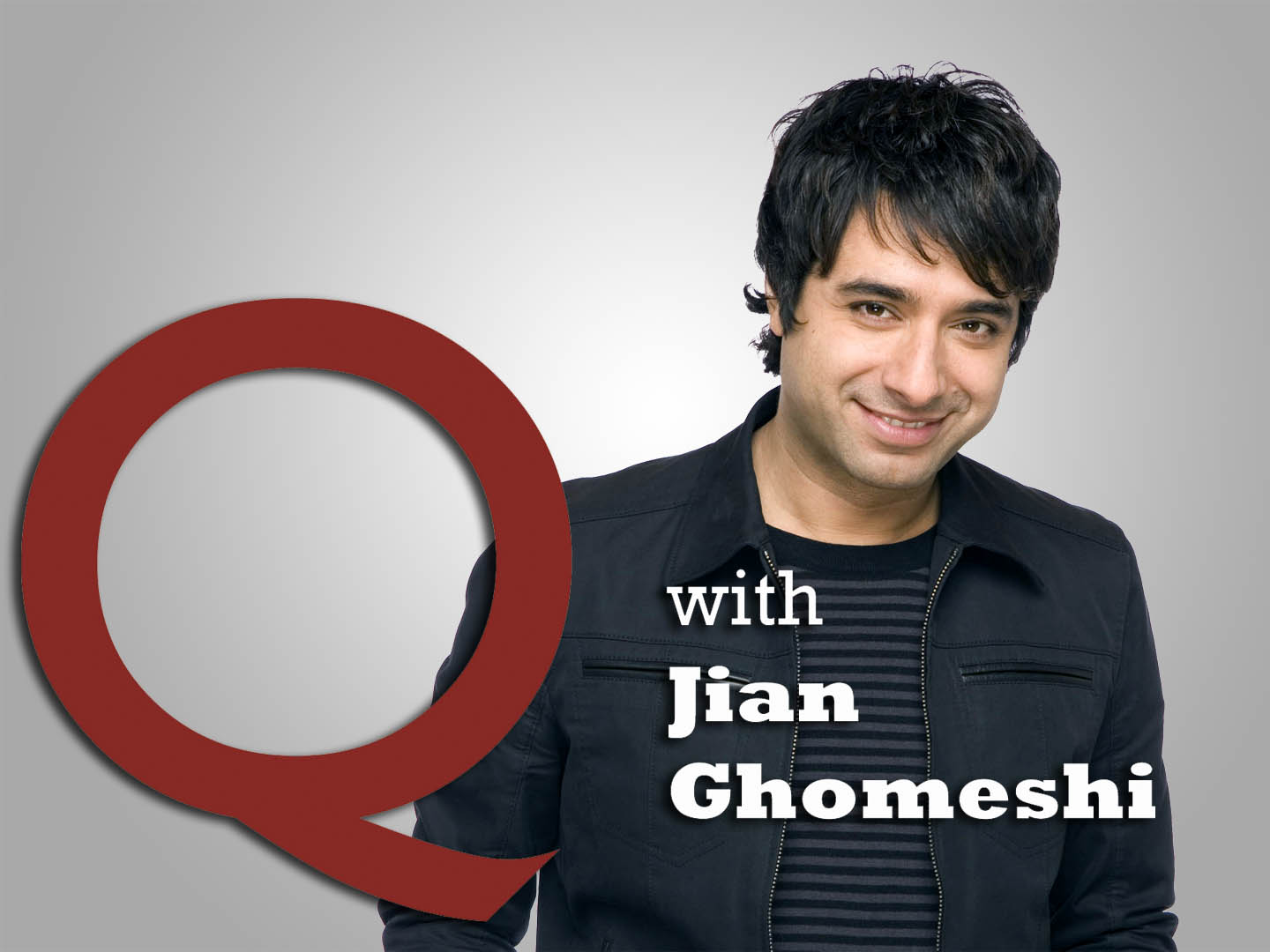
Brief announcement: Interview about ‘love drugs’ on “Q” with Jian Ghomeshi
By Brian D. Earp Interview announcement This is a brief note to alert the readers of Practical Ethics that research by myself, Anders Sandberg, and Julian Savulescu on the potential therapeutic uses of “love drugs” and “anti-love drugs” has recently been featured in an interview for the national Canadian broadcast program, “Q” with Jian Ghomeshi…
-
Kyle Edwards: Methods of Legitimation: How Ethics Committees Decide Which Reasons Count (Podcast)
The most recent St. Cross Ethics Seminar took place on February 28th, 2013. Kyle Edwards, who is currently a DPhil Candidate at Oxford, led it. Her informative and compelling presentation was entitled “Methods of Legitimation: How Ethics Committees Decide Which Reasons Count.” (A podcast of the seminar is located here: http://media.philosophy.ox.ac.uk/uehiro/HT13STX_KE.mp3)
-
Facebook: You are your ‘Likes’
By Charles Foster When you click ‘Like’ on Facebook, you’re giving away a lot more than you might think. Your ‘Likes’ can be assembled by an algorithm into a terrifyingly accurate portrait. Here are the chances of an accurate prediction: Single v in a relationship: 67%; Parents still together when you were 21: 60%; Cigarette…
-
Practical Ethics and Philosophy
It is now quite common to draw distinctions between three types of philosophical ethics. Practical ethics is meant to concern substantive moral issues facing many of us each day, such as abortion or climate change.
-
Neil Levy: ‘Psychopaths and Responsibility’ – Podcast
In this talk, (which you can listen to here) Neil Levy brings a new perspective to the debate concerning the moral responsibility of psychopaths. Previously, this debate has been thought to turn on the question of whether psychopaths have moral knowledge. Here, Levy argues that regardless of whether psychopaths count as having moral knowledge, we ought…
-
Should men take their wife’s last name?
When I get married in July, I’m changing my name. My fiancee and I are both taking her maternal grandmother’s name “MacAskill”, putting us in the good company of Giant MacAskill – possibly the world’s strongest ever man – and Danny MacAskill – a trial-biking legend. Why?
-
New Podcast: Toby Ord and Harry Shannon on Effective Philanthropy
On Monday 4th of March, the Centre for Practical Ethics hosted a joint lecture on the evaluation of the effectiveness of charitable organizations, given by Toby Ord and Harry Shannon. Their lectures and ensuing discussion covered a range of different topics, including the numerical methods for assessing the effectiveness of a charity, the philosophical concepts…
-
Sexy Indian Costumes on Sale!
I’ve been to Cologne recently, one of Germany’s main Carnival cities. In the window of a shop I passed, I saw some residues of the just ended Carnival season for sale – amongst other things, a Native American costume. Like many others of the sort, it consisted of a brown faux suede suit, a…
-
Well, he did make the trains run on time
Well, they say of Mussolini, at least he made the trains run on time. Actually, that’s disputed, but that’s by-the-by. While watching the telly, I was struck by a remark of Scotland’s First Minister, Alex Salmond, on the resignation of the leader of Scotland’s Roman Catholic community, Cardinal Keith O’Brien following allegation of sexual…