
-

Choosing one’s own (sexual) identity: Shifting the terms of the ‘gay rights’ debate
Choosing one’s own (sexual) identity: Shifting the terms of the ‘gay rights’ debate By Brian Earp (Follow Brian on Twitter by clicking here.) UPDATE: See HuffPost Live debate on this topic here. Can you be gay by choice? Consider the following, from the Huffington Post: Former “Sex and the City” star Cynthia Nixon says she is gay…
-
Skipping intuitively over the is-ought gap
By Charles Foster I spent a lot of the weekend at a very good conference entitled Moral Evil in Practical Ethics. There was, I think, a complete or almost complete consensus about many things. Here are two: (1) Evil exists, and is of a different quality from merely sub-optimal moral behaviour. (2) To recognise evil…
-
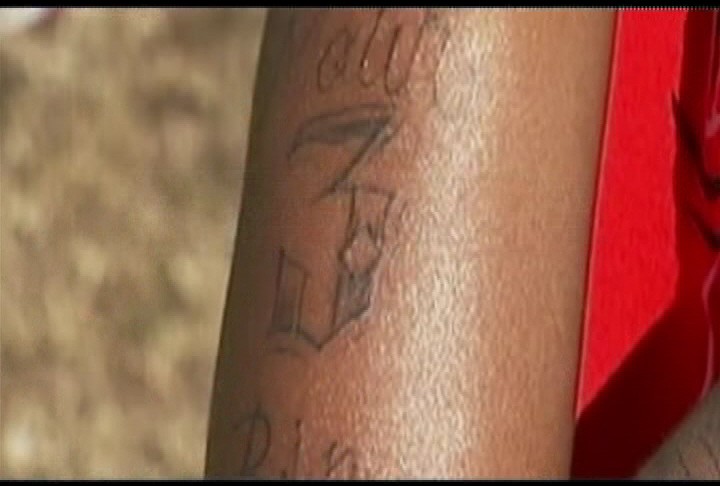
10-year-old gets a tattoo, mother gets arrested
By Brian Earp Follow Brian on Twitter by clicking here. See Brian’s most recent prior post on this blog here. See a list of all of Brian’s previous posts here. Inking arms, piercing ears, and removing foreskins: The inconsistency of parental consent laws in the State of Georgia Gaquan Napier watched his older brother…
-
Ending life and end-of-life care
Eve Richardson, chief executive of the National Council for Palliative Care and the Dying Matters coalition, argues that the government needs radically to improve end-of-life care in the UK, and makes several excellent suggestions about how that might be done. I agree wholeheartedly, and would like to add a suggestion of my own: that end-of-life…
-
We ARE lords of the planet – that’s the problem
The lord of the manor is not a typical peasant, and doesn’t have the same responsibilities. Nowadays, it is quite fashionable to see humans as part of the natural world, part of a cycle of life, dependent on a nature that could eradicate us in an instant if it chose to. The truth is far less comforting.…
-
Censoring Foetuses
In the US, Randall Terry is challenging Obama for Democratic leadership. Strangely, his reason for doing so is in order to be able to show graphic anti-abortion adverts featuring aborted foetuses, holocaust victims, and a black person being lynched.
-
What is so bad about polygamy?
By Brian Earp (Follow Brian on Twitter by clicking here.) What do gay marriage and polygamy have in common? To find out, watch this exchange between US Republican presidential hopeful Rick Santorum, and a New Hampshire college student. Here’s an edit to give the gist: Student: How about the ideas that all men are created equal,…
-
Lawmaker Steals Leather Pants: Brain May Be Responsible, Lawyer Says
The title of this post is an edited version of a headline that appeared this week at ABC news. The story behind it is that a Californian politician named Mary was caught shoplifting, and her lawyer says that her impaired judgment may have been caused by a benign brain tumour. We can accept that in…
-
Would you swim in Hitler’s pool?
A friend of mine recently returned from a visit to a beautiful and imposing villa, now the British ambassador’s residence in Rome. During World War II it housed the German embassy, and prisoners were tortured in the cellars. The swimming pool was built for Adolf Hitler, and this information, said my friend, would put her off…
-
Experimenting with oversight with more bite?
It was probably hard for the US National Science Advisory Board for Biosecurity (NSABB) to avoid getting plenty of coal in its Christmas stockings this year, sent from various parties who felt NSABB were either stifling academic freedom or not doing enough to protect humanity. So much for good intentions. The background is the potentially…